
Redmi Phones
Redmi Phones: A Shopper’s Guide to Great Value and Solid Performance
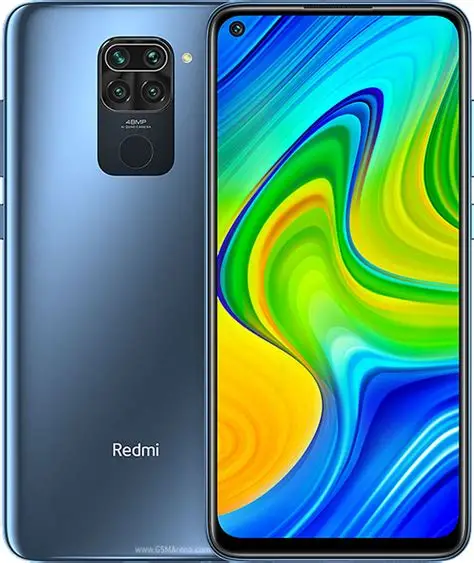
Redmi has become a household name for budget-conscious buyers who don’t want to compromise on performance, features, or design. If you’re curating a shopping website blog session, this post will help your readers understand what makes Redmi phones stand out, how to choose the right model, and what to look for when comparing across generations. Let’s dive in.
Why Redmi Phones Are Worth Considering
- Excellent value for money: Redmi devices often pack premium-feeling hardware and generous feature sets at accessible price points.
- Solid performance for everyday tasks: Modern Redmi phones use capable processors, ample RAM, and well-optimized software to handle social media, streaming, gaming, and multitasking.
- Longer battery life: Many Redmi models feature large batteries and efficient displays, delivering hours of use on a single charge.
- Competitive camera systems: Mid-range and budget Redmi devices provide versatile cameras that are great for casual photography and social sharing.
- Frequent updates and wide availability: Redmi frequently refreshes its lineup, giving shoppers more choices and ensuring ongoing software support.
Note: Redmi is a sub-brand of Xiaomi. In many markets, the Redmi and Xiaomi lines co-exist with similar hardware platforms but different branding and software configurations. Always verify model specifications in your region.
Key Redmi Series to Know
Redmi Note Series
- What it’s known for: A balance of performance, battery, and camera capabilities at an affordable price.
- Typical strengths: Large displays, sizable batteries, fast charging on higher-end variants, capable main cameras.
- Who it’s for: Anyone who wants a dependable everyday phone with a big screen and long battery life.
Redmi Prime (or Pro/Tremium variants in some markets)
- What it’s known for: Upgraded processors, better cameras, improved displays, and sometimes faster charging.
- Typical strengths: Enhanced performance for gaming and multitasking, more premium feel.
- Who it’s for: Users who want a step-up experience without paying flagship prices.
Redmi A-Series (budget line in some regions)
- What it’s known for: Ultra-budget options with modest specs but essential smartphone features.
- Typical strengths: Incredible price-to-feature ratio, ideal for first-time smartphone buyers or secondary devices.
- Who it’s for: Budget shoppers, students, or as a reliable backup phone.
How to Choose the Right Redmi Phone
1) Define Your Priorities
- Budget: How much are you willing to spend?
- Battery life: Do you need a device that lasts all day or more?
- Camera needs: Are you into photography or social media content creation?
- Display size and quality: Do you prefer a compact phone or a large screen for videos?
- Performance: Will you play games or run heavy apps?
2) Compare Key Specifications
- Processor and RAM: Look for a balance between CPU/GPU power and memory. 4–6 GB RAM is common in mid-range, 8 GB or more for gaming-friendly models.
- Battery capacity and charging: Bigger isn’t always better if the software is inefficient; check real-world endurance and the charging speeds (20W, 33W, 67W, etc.).
- Camera system: Sensor size, number of lenses, and software features (night mode, AI scene detection) affect results.
- Display: Resolution, refresh rate (60 Hz vs 90 Hz/120 Hz), brightness, and color accuracy matter for media consumption.
- Software updates: Xiaomi/Redmi’s update policy varies by model. Check how many Android version updates and security patches are promised.
3) Region-Specific Variants
- Redmi releases regional variants with different chips, bands, and software. When buying for your audience, ensure you source models with compatible networks and no region locks in your market.
Real-World Shopping Tips
- Look for bundles: Some Redmi models ship with cases, screen protectors, or fast chargers—these add value for shoppers.
- Warranty and after-sales: Highlight local warranty terms, service centers, and replacement policies.
- Software experience: Redmi devices run MIUI, which adds features but also bloatware. Consider mentioning user experience notes and potential optimization tips.
- Pricing strategies: For a shopping site, create comparisons like “Redmi Note A vs Redmi Note B” focusing on what matters most to your audience: battery life, camera, display, and price.
- Seasonal promos: Link to upcoming sales events, exchange offers, and trade-in programs to boost engagement and conversions.
Sample Blog Post Outline for Your Website
- Introduction: Why Redmi remains a strong value proposition for buyers.
- Overview of top Redmi series (Note, Pro/Tremium, A-series) and who they’re for.
- Buying guide: how to pick based on priorities.
- Feature spotlight: battery life, camera versatility, display quality, and software experience.
- Real-world use cases: perfect readers, students, remote workers, casual gamers.
- Buying tips: bundles, warranty, regional variants.
- Conclusion: Quick recap and a call-to-action to explore your store’s Redmi lineup.
A Quick, Ready-to-Publish Post
Here’s a concise version you can drop into your blog session:
Redmi Phones: Great Value, Solid Performance for Everyday Users
If you’re hunting for a smartphone that offers strong performance, long battery life, and a friendly price tag, Redmi is worth a look. From large-display Note-series devices perfect for video and social sharing to budget-friendly A-series options, Redmi covers a broad range of needs.
What sets Redmi apart? You typically get:
- Balanced specs for the price
- Long-lasting batteries and efficient software
- Versatile cameras for casual photography
- Regular updates and a wide regional presence
Tips to choose your Redmi:
- Set a budget and pick a series that fits it.
- Decide on battery life, camera needs, and display size.
- Check regional variants and network compatibility.
- Read reviews focusing on real-world battery endurance and performance.
Explore our Redmi collection to find the best deals and bundles today. Happy shopping!
Manga lovers graphic stories can conveniently https://manga-online-free.com to find favorite stories. The selection includes thrillers, meaning that manga enthusiasts can choose a new series. Latest episodes make it easy to keep up with favorite series
Visit https://shopmitch.com.ng/
The main updates are here click here
Visit https://shopmitch.com.ng/